


|
Quantity
|
Total
|
||
|
|
|||
|
|
|||
VetXpert Hematology Reagents — Consumables for Mindray Animal Care Analyzers
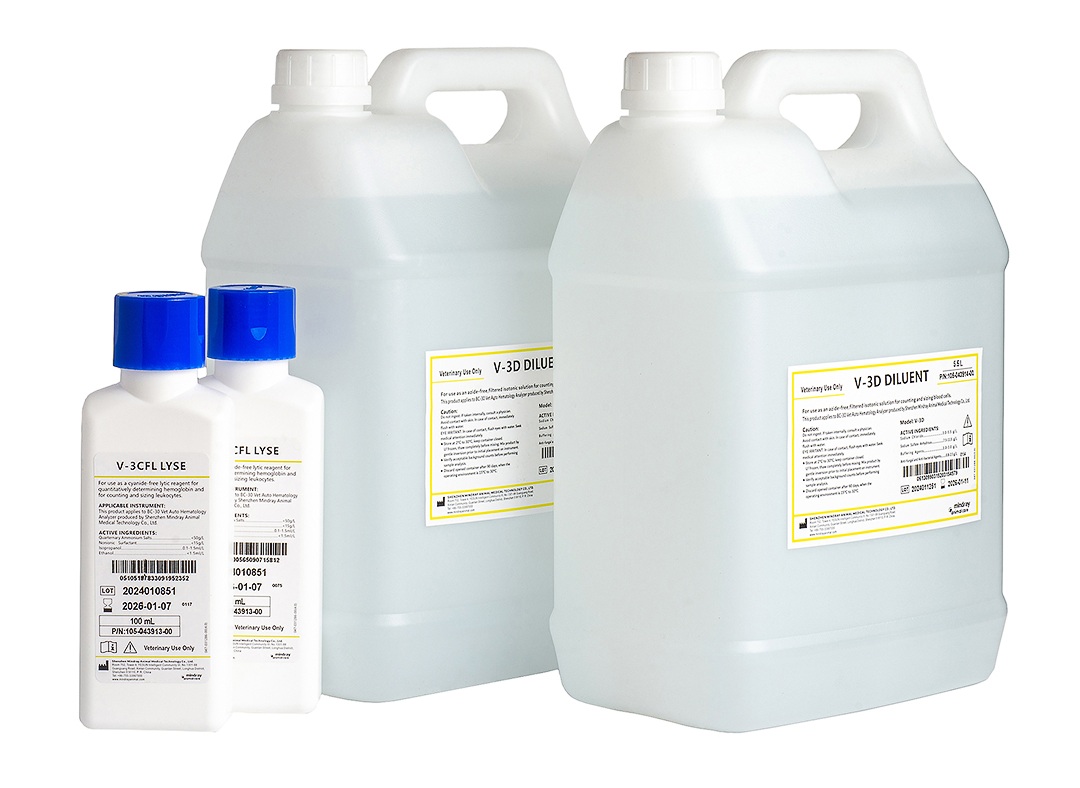
Hematology reagents are specialized laboratory solutions without which veterinary hematology analyzers cannot operate correctly. Reagents are responsible for sample dilution, cell lysis, channel rinsing, probe cleaning, and measurement stability during complete blood count (CBC) testing in animals.
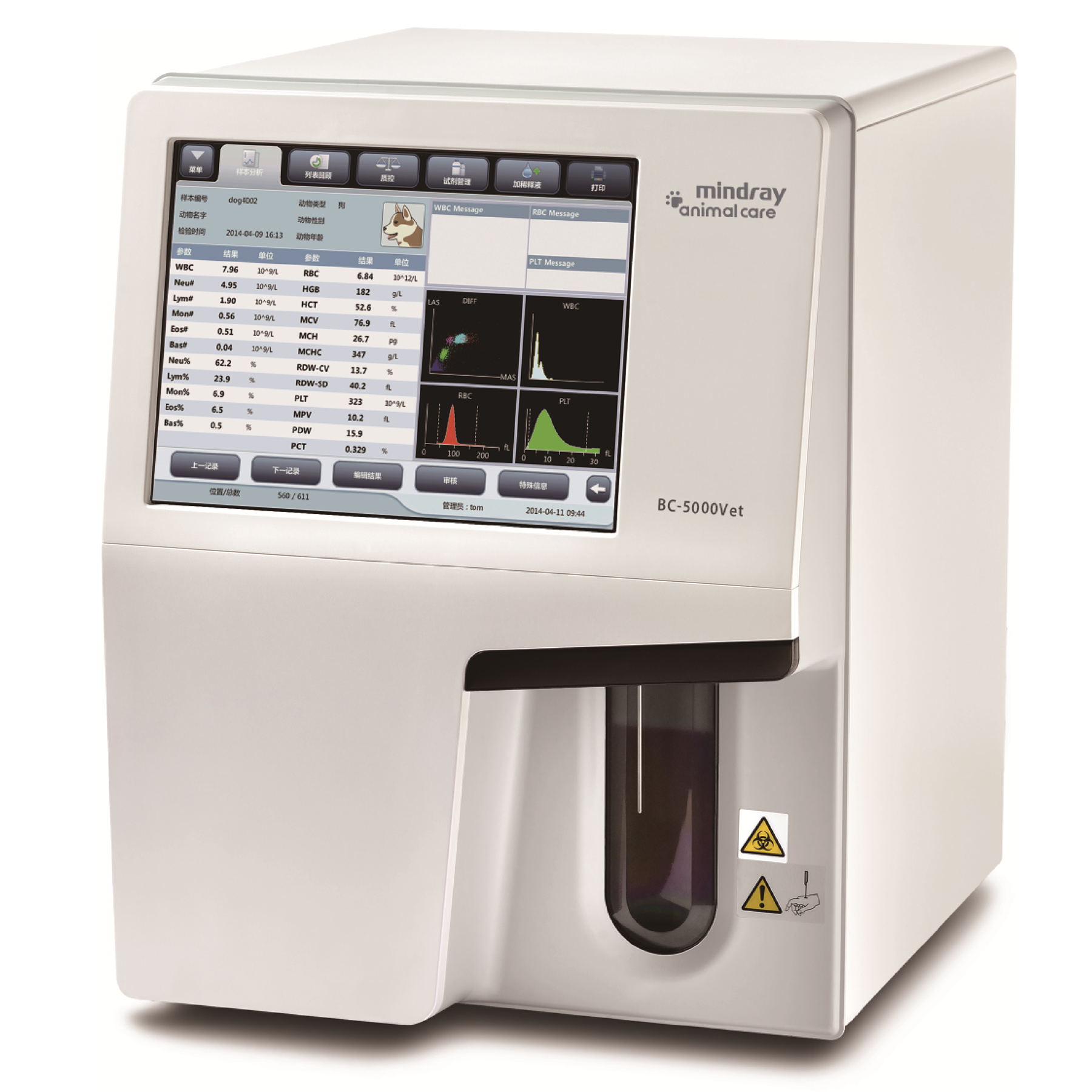
This section includes reagents for hematology analyzers Mindray Animal Care (BC-20 Vet, BC-30 Vet, BC-5000 Vet, BC-60R Vet) used in veterinary clinics, hospitals, and diagnostic centers. It is important to select consumables for the specific analyzer model — this ensures stable system performance and reliable results.
What types of reagents are used in hematology?
- Diluent — an isotonic solution for blood dilution and creating a stable environment for cell counting.
- Lyse reagents — used to lyse red blood cells and ensure correct leukocyte differentiation.
- Probe cleaner / enzymatic cleaner — helps prevent clogs and supports stable sample aspiration.
- Rinse/cleaning solutions — keep channels clean and reduce the risk of measurement errors.
- Control materials — for accuracy, repeatability, and quality control (QC).
Why is reagent compatibility with the analyzer important?
Each Mindray Animal Care analyzer model operates based on a specific measurement principle and data-processing algorithms. That is why the composition and properties of reagents (viscosity, conductivity, reactive components, dyes) are engineered by the manufacturer for a particular system. Using incompatible consumables may affect parameter accuracy, calibration stability, and the lifespan of analyzer components.
Tip: if you are not sure which reagent set you need, choose a subcategory by analyzer model or leave a request — we will help you configure the correct set.
Reagent subcategories by analyzer model
For convenience, reagents are organized into separate subcategories — so you can quickly find the right diluent, lyse reagent, cleaner, and control materials for your system:

Reagents for BC-20 Vet
Diluent, lyse reagent, and system cleaning solutions for stable operation of a 3-DIFF analyzer.

Reagents for BC-30 Vet
Consumables for 4-DIFF diagnostics: accurate differentiation and stable CBC results.
Where are hematology reagents used?
- veterinary clinics and hospitals (outpatient care, inpatient wards, intensive care);
- diagnostic centers with a patient flow;
- labs within clinic networks (standardization and quality control);
- educational and research institutions.
Tip for clinics: plan consumables based on workload and the service schedule — this helps avoid downtime and “emergency” orders.
Need advice?
Leave a request on VetXpert.com.ua — we will tell you which reagents you need for your specific Mindray Animal Care analyzer model and help you build an optimal consumables set for your workload.
Frequently Asked Questions About Hematology Reagents
Which reagents are required for a hematology analyzer?
Most commonly, you need a diluent (for dilution), a lyse reagent (for cell differentiation), rinse/cleaning solutions, and a probe cleaner. Quality control (QC) materials are also used for performance verification. The exact set depends on the analyzer model.
Can I use reagents from another manufacturer?
It is recommended to use reagents that are fully compatible with your specific analyzer model. Incompatible consumables may affect parameter accuracy, calibration stability, and the performance of measurement channels.
How do reagent sets differ for BC-20/BC-30 versus BC-5000/BC-60R?
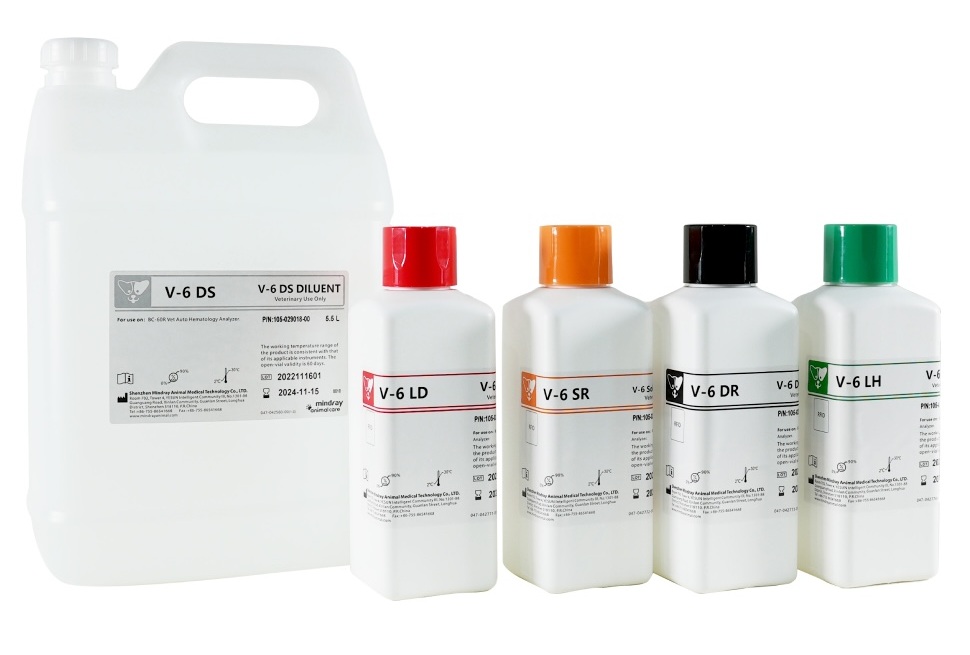
Different analyzer models use different measurement technologies and data-processing algorithms. Therefore, reagents differ in composition and purpose: systems with advanced differentiation (5-DIFF/6-DIFF) require specialized lyse reagents and additional components to generate detailed parameters.
How can I tell when a reagent is running low or needs replacement?
Most modern analyzers display reagent levels in the system menu and warn you when the remaining volume is low. It is also best to plan a safety stock based on your average workload and delivery schedule.
Do I need quality control (QC) materials for hematology?
Yes. QC materials help verify analyzer stability, repeatability of results, and consistency of parameters over time. This is especially important for high-throughput clinics and laboratories where standardization is critical.